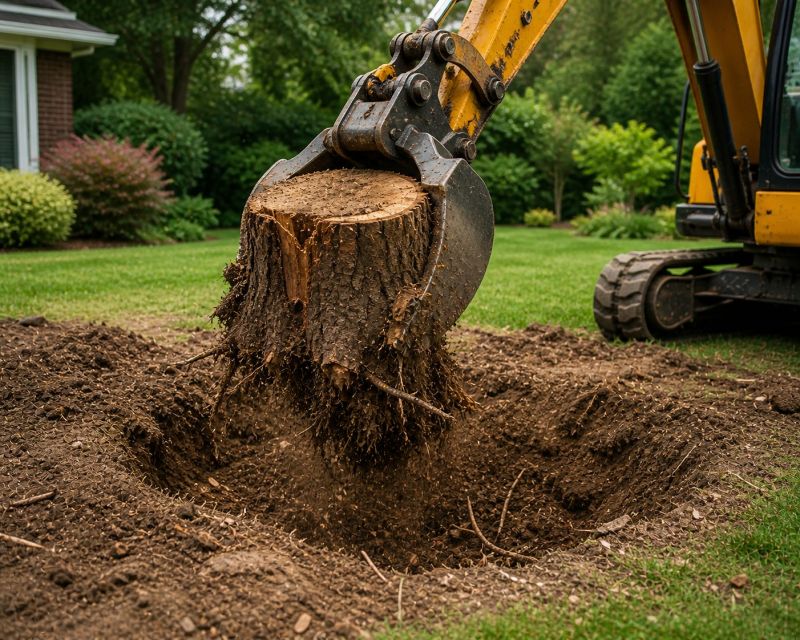
Tree Trunk Removal in Calvert County, MD
Tree trunk removal services involve the complete extraction of a tree’s main stem from the ground, often as part of tree health management, safety concerns, or property improvement projects. This service covers a variety of situations, including removing dead or diseased trunks, clearing space for new landscaping, or eliminating hazards posed by leaning or unstable trees. Property owners typically seek this service after storm damage, to prevent potential property damage, or when planning construction or landscaping projects that require the removal of existing trees.
Before requesting tree trunk removal, property owners should consider factors such as the size and location of the trunk, proximity to structures or power lines, and whether permits are required for removal in their area. Understanding these details helps ensure the process is safe and compliant with local regulations. Clear communication about the scope of work and any specific concerns can facilitate a smooth removal process and support the safety and aesthetics of the property.
Many property owners in Calvert County, MD look into Tree Trunk Removal for repairs, replacements, upgrades, and appearance-related improvements.
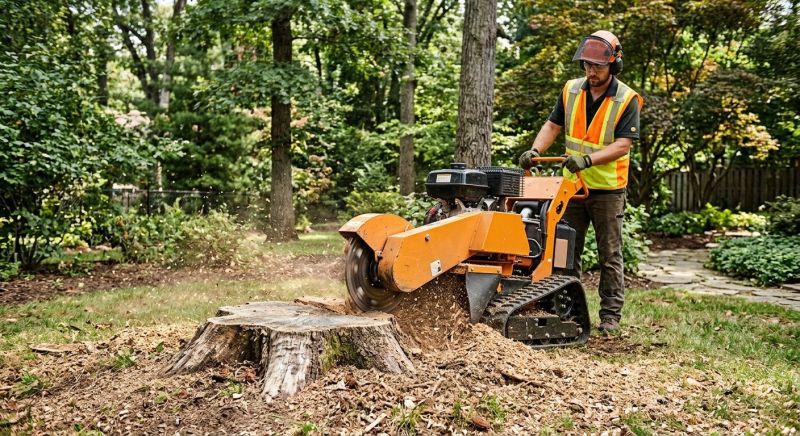
Reasons For Tree Trunk Removal
Removing damaged or decayed trunks helps prevent property damage and safety hazards.
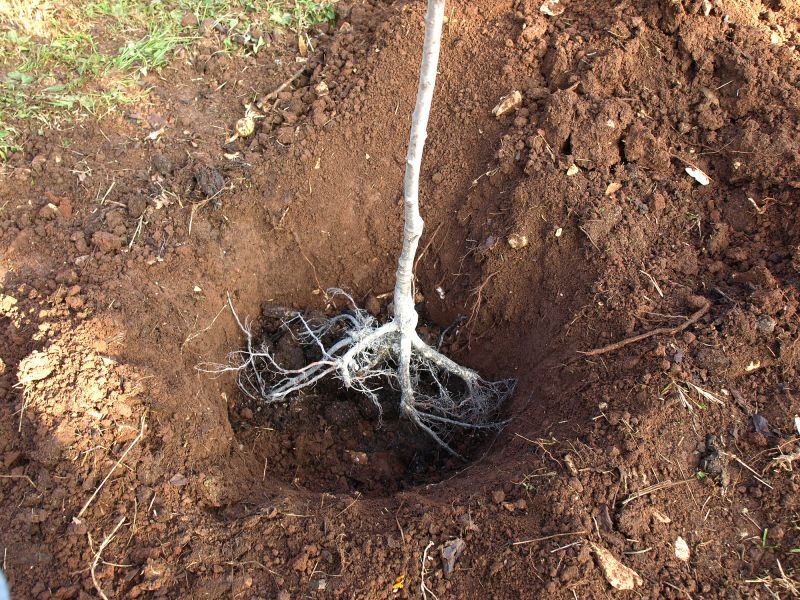
Equipment And Techniques
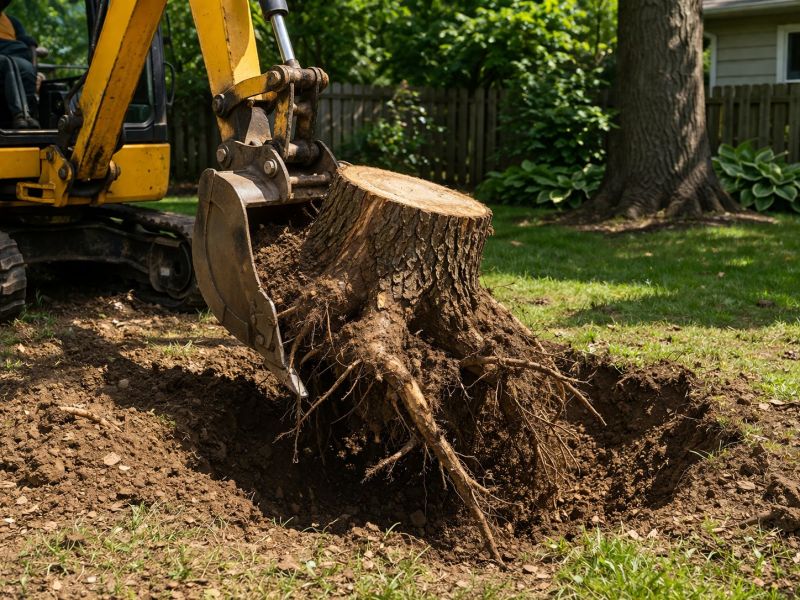
Specialized tools and methods ensure safe and efficient removal of tree trunks in calvert county.
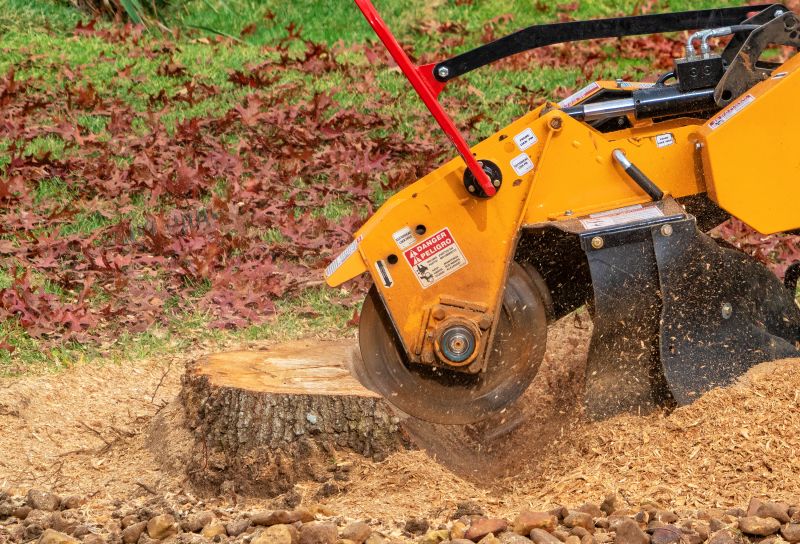
Post-Removal Cleanup
Proper cleanup after trunk removal maintains the appearance and safety of your property.
Tree Trunk Removal in Calvert County, MD
Tree trunk removal services involve the complete extraction of a tree’s main stem from the ground, often as part of tree health management, safety concerns, or property improvement projects. This service covers a variety of situations, including removing dead or diseased trunks, clearing space for new landscaping, or eliminating hazards posed by leaning or unstable trees. Property owners typically seek this service after storm damage, to prevent potential property damage, or when planning construction or landscaping projects that require the removal of existing trees.
Before requesting tree trunk removal, property owners should consider factors such as the size and location of the trunk, proximity to structures or power lines, and whether permits are required for removal in their area. Understanding these details helps ensure the process is safe and compliant with local regulations. Clear communication about the scope of work and any specific concerns can facilitate a smooth removal process and support the safety and aesthetics of the property.
Many property owners in Calvert County, MD look into Tree Trunk Removal for repairs, replacements, upgrades, and appearance-related improvements.
Common Tree Trunk Removal Jobs
Tree trunk removal involves safely clearing out large, damaged, or dead tree sections.
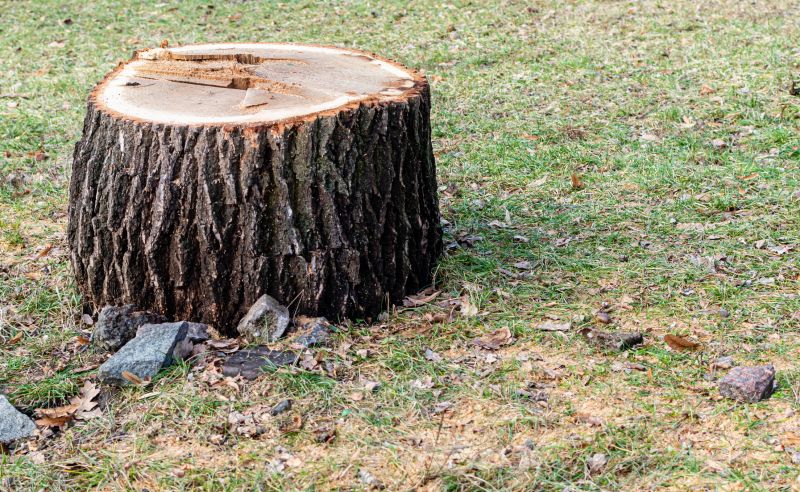
Stump removal ensures the remaining trunk is fully removed to prevent regrowth.
Hazardous trunk removal addresses trees with compromised trunks that pose safety risks.
Storm damage cleanup includes removing broken or fallen trunks after severe weather events.
Property clearing involves removing unwanted or overgrown trunks to improve landscape appearance.
Selective trunk removal targets specific trunks to manage tree health or shape the landscape.

Tree Trunk Removal Questions
When is tree trunk removal necessary? Trunk removal may be needed when a tree is dead, diseased, or poses a hazard to property or safety.
What are common signs that a tree trunk should be removed? Signs include large cracks, decay, fungal growth, or leaning that indicates instability.
How does trunk removal affect the overall health of a tree? Removing the trunk typically means the tree cannot recover and will need to be replaced.
What should property owners consider before trunk removal? It's important to assess the tree's condition and potential impact on surrounding structures or landscaping.
Request Tree Trunk Removal in Calvert County, MD
Use the quote form on this page to share the basics of your project and request more information for the type of work you need.